How Small Nigerian Businesses Can Leverage Local Influencers to Grow Their Brand and Boost Sales
Small businesses everywhere are grinding—whether it’s a fashion brand in Lagos, a skincare line in Nairobi, or an online course creator in London. Everyone is looking for ways to get noticed without burning money like it’s a public holiday. That’s where Micro-Influencer Marketing Nigeria come in, helping local businesses leverage trusted voices to grow their brand and reach the right audience effectively. According to HubSpot’s guide on building an influencer marketing plan, defining clear goals, choosing the right creators, and having a solid content brief are key to an effective campaign.
Micro-influencers might not have millions of followers, but the ones they have are real people who care. And when done right, this strategy doesn’t just bring likes—it brings sales, leads, and some serious street cred for your brand.
1. Know Who You’re Talking To
Before sliding into influencer DMs, take a step back and understand your audience. It’s tempting to just pick the first influencer that looks cute, but hold up—that’s not how we play this game.
E-commerce & Fashion Brands (“The Visual Growth Founder”) These are Instagram and TikTok natives. They care more about polished content and predictable sales than random likes. Pain points? High cart abandonment, inconsistent repeat orders, and ad spend that feels like tossing cash into Third Mainland Bridge potholes.
Education Providers (“The Credibility-First Director”) School owners, course creators, training centres—they want quality leads. Their fears include low-quality enquiries, messy tracking, and anything that might make them look unprofessional in front of parents or learners.
Pro Tip: Your influencer outreach should speak their language. Show how the collaboration benefits their audience, their credibility, and yes, their reputation. People love seeing the win-win.
2. Pick the Right Micro-Influencers
Micro-influencers usually have 1,000–100,000 followers. Why is this the sweet spot?
Real Engagement: Followers actually care.
Targeted Audience: You’re reaching people who might actually buy.
Affordable: Many accept product swaps or small fees rather than sky-high rates.
Quick Hack: Match influencers to your buyer persona. Fashion brands? Go for stylish creators with an urban audience. Schools? Pick influencers trusted by parents or learners.
3. How to Find the Right Micro-Influencers (Step-by-Step)
Here’s where the magic happens.
Step 1: Know your niche Fashion, tech, skincare, education—whatever it is, be specific.
Step 2: Pick your keyword Something simple and searchable. Examples:
“Lagos fashion stylist”
“Nigerian skincare creator”
“Study tips influencer”
“Ecommerce business coach”
Step 3: Search on Instagram Type your keyword, and watch the influencers pop up. Click profiles and check engagement.
Step 4: Calculate engagement rate
Engagement %=Average likes + Average comments/Number of followers×100\If it’s 5% or higher, that influencer is worth a closer look.
Step 5: Reach out professionally
Email? Use it.
No email? Slide into DMs, but don’t be boring or salesy.
Pro Tip: Make the message about them, not you. Mention what you like in their content and what you can offer in return—product, service, or collaboration. That’s how you get noticed among hundreds of generic messages.
4. Build Campaigns That Actually Convert
Micro-influencer marketing isn’t “post a photo and pray.” It’s a strategy.
Fashion & E-commerce Brands:
Unboxing videos and styling reels
Product demos
Discount codes or limited offers to track conversions
Retargeting ads using influencer content
Education Providers:
Authentic testimonials about your school or course
Free guides or webinars as lead magnets
Track enrolments with UTM links or custom landing pages
Pro Tip: Pair influencer campaigns with SEO, Google Ads, and Meta Ads for maximum effect—but don’t repeat the SEO mistakes small businesses often make. Check the top SEO mistakes here.
5. Keep it Fresh: Measure, Tweak, Repeat
Hope isn’t a strategy. Track everything.
Fashion & E-commerce KPIs:
ROAS (Return on Ad Spend)
Conversion rate
CPA (Cost per Acquisition)
Average order value
Repeat purchases
Customer lifetime value
Education KPIs:
Cost per enrolment
Lead quality
Conversion rate
Local SEO rankings
Cost per lead
Quick Wins:
Test reels vs stories vs posts
Track which influencer gives best ROI
Refresh campaigns monthly—don’t let stale content linger
6. Why Micro-Influencer Marketing Works
Authenticity beats hype: People trust smaller creators more than celebrities.
Budget-friendly: You don’t need millions to get results.
Scalable: Start small, increase when it works.
Cross-channel synergy: Influencer content fuels SEO, Meta Ads, and Google Ads.
7. Bonus: Getting Your Influencer Right in Nigeria
Finding an influencer is one thing; making it work in our context is another. Here’s a stepwise approach for Nigerian small businesses:
Know your niche – Fashion, skincare, education, or tech.
Pick a keyword – Something searchable like “Lagos fashion stylist.”
Reach out professionally: Email or DM, but personalize it.
Offer value – Swap products, offer services, or small payment. Make it about them.
This step keeps your campaigns authentic, measurable, and effective.
Final Thoughts
Small businesses in Nigeria (and beyond) need smart, cost-effective growth hacks. Micro-influencer marketing fits perfectly, especially when combined with professional SEO, Meta Ads, and Google Ads.
The result? Awareness, sales, leads, and a brand people actually remember.
So, grab that influencer list, plan your campaigns, and turn those likes into ka-ching moments.
Samuel Adebusuyi
Hi, I’m Samuel! I’m an SEO specialist and copywriter with 3 years’ experience turning clicks into customers. I love crafting content that ranks and resonates, helping brands grow their online presence one post at a time.
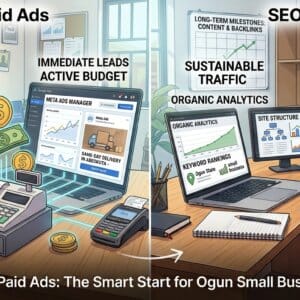
Deciding between SEO and paid ads doesn’t have to be confusing. Discover a clear, numbers-based breakdown of costs, timelines, and strategy to help small businesses in Ogun State generate immediate leads while building long-term organic growth.
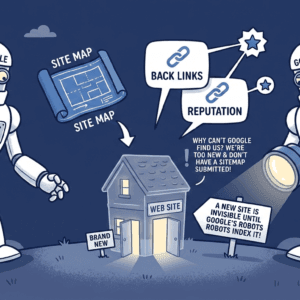
Why Is My Website Not Appearing on Google Search Results? Many websites go unseen due to indexing issues, weak SEO, low authority, or technical problems. This blog explains the main reasons your site might not rank and provides practical strategies using SEO, Google Ads, and Meta Ads to improve visibility and attract more customers or students.
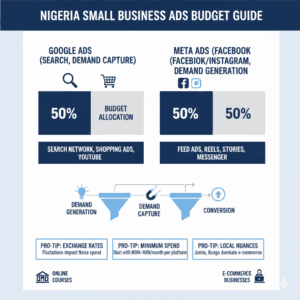
Wondering how much your small business should spend on Google and Meta Ads in Nigeria? Adewale Gideon breaks down practical budgets, platform splits, persona-based strategies, and scaling tips to turn ad spend into predictable sales and high-quality leads.